Changing your employment domestically is one of the most significant life milestones. A domestic move needs conservative planning, association, and execution to guarantee a stress-free experience, whether it's transferring across the megacity or to a different municipality. It's not just about moving stuff; it's also about defending your belongings, reducing dislocations, and supporting you in securely beginning over in your new residence.
At the heart of effective residential moving is a well‑structured plan. This begins with assessing your household products and setting a timeline that meets your schedule. The procedure is made more efficient by knowing what needs to be disassembled, packaged, or handled carefully. Every category of possessions requires careful handling, from everyday goods like apparel and kitchenware to more substantial furniture and delicate jewels.
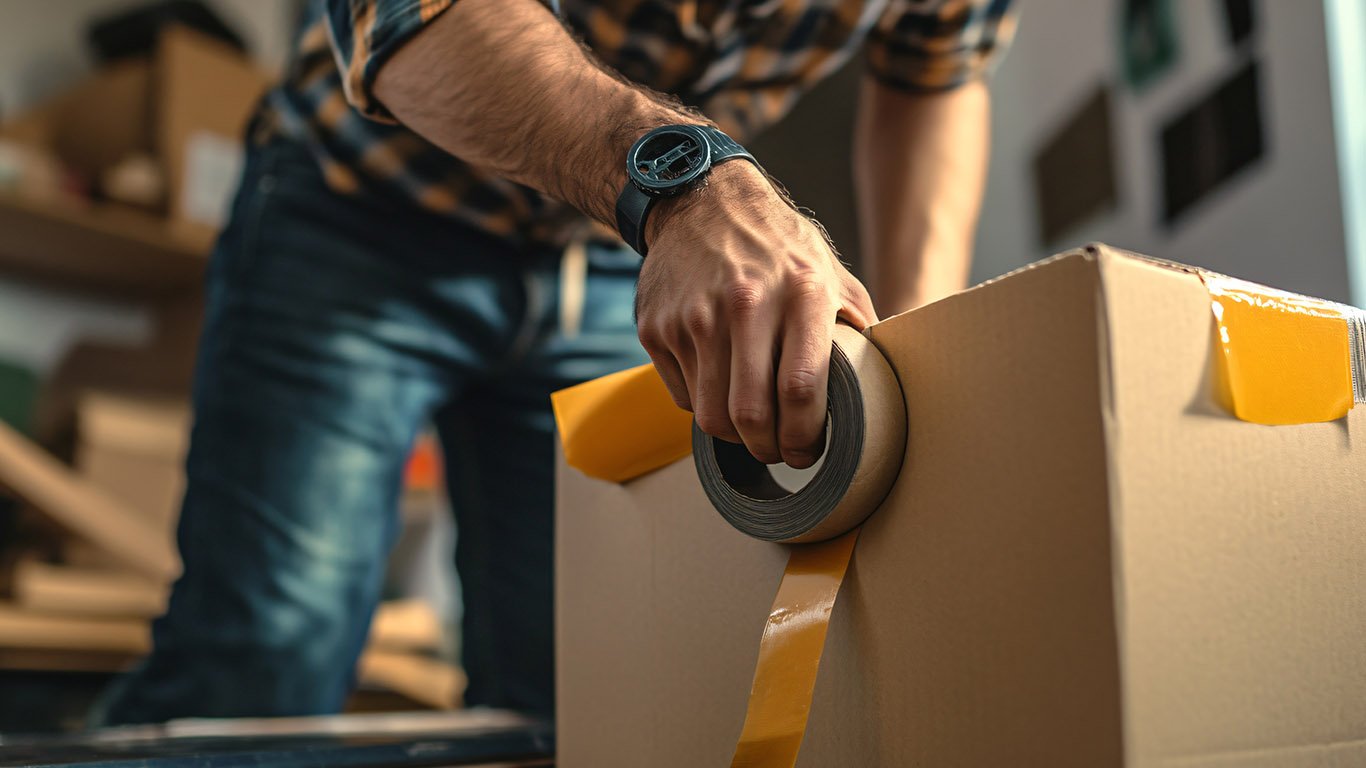
In order to cover your things during the transfer, quilting is essential. Both fragile and non-fragile objects are guaranteed to be secure for transportation when high-quality accoutrements and applicable styles are used. Grouping similar goods together and labeling boxes by room not only speeds up quilting but also simplifies discharging at your destination. Smart quilting can vastly reduce the chance of damage and make moving into your new home easier.
Transporting home things involves trustworthy handling and secure loading. Heavy and bulky parts must be handled with the appropriate equipment and methods to protect the items and the property. Efficient logistics improve the security of your cargo while in transit and reduce transit times.
When you arrive at your new home, a well-planned unloading and placement process completes your relocation. An empty space can be fleetly converted into a cozy home with careful discharging and point arrangement.
To offer a smooth transition from one property to another, residential moving is generally a planned operation that combines thorough packing, safe transportation, and intentional placement.